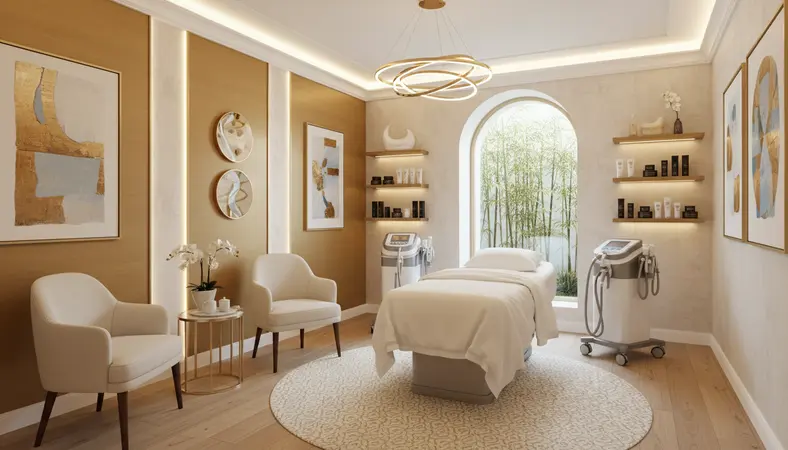
Equipment purchases represent the single largest capital investment for most MedSpa owners, and the wrong decisions here can cripple a new practice financially before it ever gains traction. The medical aesthetics equipment market is flooded with options ranging from $5,000 handheld devices to $300,000 multi-platform systems, and aggressive sales representatives will tell you that every single one is essential. The reality is far more nuanced. What you truly need depends on your service menu, target demographics, space constraints, and financial runway.
This guide separates the must-haves from the nice-to-haves, provides realistic ROI analysis for major equipment categories, and helps you make informed decisions about leasing versus purchasing.
Essential Equipment for Every MedSpa
Regardless of your specialty or niche, there is a baseline set of equipment and supplies that every MedSpa needs to operate safely and professionally:
- Treatment beds/chairs — Medical-grade treatment chairs with adjustable positioning, heating, and comfortable padding. Budget $3,000-8,000 per chair. Avoid the temptation to cut costs here; patients spend 30-90 minutes on these surfaces, and quality directly impacts their experience.
- Lighting — Adjustable clinical-grade lighting for procedures (LED surgical lights or magnifying lamps) plus ambient lighting for patient comfort. Budget $500-2,000 per treatment room.
- Refrigeration — Medical-grade refrigerator for storing temperature-sensitive products (neurotoxins, certain fillers, PRP). A standard mini-fridge is not appropriate for medical products. Budget $1,000-3,000.
- Autoclave/sterilization — If you use any reusable instruments, a medical autoclave is mandatory. Budget $2,000-5,000. Many injectable-focused practices use only disposable supplies, which may eliminate this need.
- Photography equipment — Standardized photography is essential for documentation, marketing, and patient education. A dedicated camera (or high-quality iPad/tablet), consistent lighting setup, and fixed positioning markers ensure reproducible before-and-after images. Budget $1,500-5,000 for a complete setup.
- Emergency equipment — Crash cart or emergency kit including epinephrine, hyaluronidase (for HA filler complications), oxygen, blood pressure monitor, pulse oximeter, and AED. This is non-negotiable regardless of the procedures you offer. Budget $2,000-5,000.
Laser and Light-Based Devices
Laser equipment is where the biggest investment decisions — and the biggest potential mistakes — happen. Before purchasing any laser device, honestly assess your market demand, provider expertise, and willingness to invest in training.
Multi-Platform Systems
Devices like the Cutera Excel V+, Lumenis M22, Sciton Joule, and Candela GentleMax Pro offer multiple wavelengths and handpieces on a single platform, allowing you to treat a wide range of conditions (vascular lesions, pigmentation, hair removal, skin resurfacing) without purchasing separate devices. Prices range from $80,000 to $250,000+ depending on the configuration.
The advantage is versatility; the risk is that multi-platform systems are only cost-effective if you actually use multiple handpieces frequently. If 80% of your laser treatments are hair removal, a dedicated diode laser at $40,000-60,000 may be a better investment than a $200,000 platform where you use one handpiece predominantly.
IPL (Intense Pulsed Light)
IPL devices are the workhorses of many MedSpas, treating sun damage, rosacea, hyperpigmentation, and performing photorejuvenation. They are generally less expensive than true laser systems ($20,000-80,000) and have lower consumable costs. For a new practice, a quality IPL can generate significant revenue with a relatively low barrier to entry. Facial Injectables offers a Cosmetic Laser Training Course that covers safe and effective use of these devices.
Fractional Resurfacing
Fractional CO2 and erbium lasers provide dramatic results for skin resurfacing, scar treatment, and rejuvenation. Devices range from $50,000 to $150,000. These are high-revenue procedures (typically $1,000-3,000 per treatment) but require significant training, have longer recovery times, and demand robust patient selection protocols. Consider adding these after your practice is established and has a patient base requesting advanced resurfacing.
Body Contouring Devices
Non-surgical body contouring is one of the fastest-growing segments in medical aesthetics. Major categories include:
- Cryolipolysis (CoolSculpting/CoolSculpting Elite) — Uses controlled cooling to destroy fat cells. The device costs approximately $100,000-150,000, with per-treatment consumable costs of $100-200. Treatment pricing ranges from $600-1,200 per cycle. ROI depends heavily on volume; practices need 10-15 treatments per month to achieve a solid return.
- Radiofrequency body contouring — Devices like BTL Vanquish ME and TruSculpt iD use radiofrequency energy to heat and destroy fat cells. Pricing ranges from $50,000-120,000 with lower consumable costs than cryolipolysis.
- Muscle stimulation (EMS) — Devices like Emsculpt Neo and CoolTone combine muscle building with fat reduction. These devices range from $150,000-300,000 but command premium treatment pricing ($750-1,000 per session, typically sold in packages of 4).
- Laser lipolysis — Devices like SculpSure use laser energy to disrupt fat cells. Pricing ranges from $80,000-120,000 with moderate consumable costs.
Body contouring devices require significant patient volume to justify their cost. Before investing, survey your existing patient base about interest, analyze your local competitive landscape, and develop a marketing plan specific to body contouring services.
Skincare and Non-Invasive Devices
These devices have lower price points and can serve as entry-level treatments that introduce patients to your practice:
- Microneedling devices — Professional pen-type devices (SkinPen, Dermapen) cost $3,000-8,000 with per-treatment cartridge costs of $15-30. Treatment pricing of $250-500 per session with excellent margins. Combine with PRP for premium pricing. Our PRP Training Course teaches the clinical protocols for PRP microneedling.
- Radiofrequency microneedling — Devices like Morpheus8, Vivace, and Genius combine microneedling with RF energy for enhanced skin tightening. Prices range from $60,000-120,000 but command premium treatment pricing ($800-1,500 per session).
- Hydrafacial/aqua dermabrasion — The HydraFacial device costs approximately $25,000-35,000 with per-treatment costs of $15-25. Treatment pricing of $150-300 makes this a high-margin, high-volume service that patients book regularly (monthly maintenance).
- LED light therapy panels — Professional LED panels cost $3,000-15,000 and have zero consumable costs. While standalone LED treatments are typically priced modestly ($50-100), they serve as excellent add-ons to other services, increasing per-visit revenue.
- Chemical peel supplies — Professional chemical peel lines (SkinMedica, PCA Skin, Vi Peel) have minimal equipment requirements (just the product and application supplies). Initial inventory investment of $1,000-3,000 with treatment pricing of $150-500 depending on the peel depth and product.
ROI Analysis: Making Smart Investments
Before purchasing any equipment, run the numbers honestly. Here is a framework for evaluating device ROI:
- Calculate your break-even point — Divide the total device cost (purchase price plus consumables, training, marketing) by the net revenue per treatment (treatment price minus consumable cost, provider time, and overhead allocation). This gives you the number of treatments needed to recoup your investment.
- Assess realistic treatment volume — Research average treatment volumes for the device in practices similar to yours. Equipment manufacturers' projections are typically optimistic. Reduce their estimates by 30-50% for a more realistic planning figure.
- Factor in marketing costs — New device categories require marketing investment to generate demand. Budget 10-15% of projected first-year device revenue for dedicated marketing.
- Consider the halo effect — Some devices generate indirect revenue by attracting patients who also purchase other services. A body contouring patient may also become an injectable patient. While harder to quantify, this cross-selling opportunity is real.
- Account for depreciation and obsolescence — Technology evolves rapidly in medical aesthetics. Plan for a 5-7 year useful life for most devices and factor depreciation into your cost analysis.
Lease vs. Buy: Which Makes Sense?
The lease-or-buy decision depends on your financial situation, risk tolerance, and practice maturity:
Advantages of Leasing
- Preserves capital for other investments (marketing, hiring, buildout)
- Predictable monthly payments for cash flow planning
- Easier to upgrade when newer technology becomes available
- Lease payments may be fully deductible as a business expense
- Lower risk if the device does not generate expected revenue
Advantages of Purchasing
- Lower total cost over the device's useful life (no lease interest/fees)
- Section 179 deduction may allow full first-year depreciation
- No ongoing monthly obligation if treatment volume drops
- Option to sell the device when upgrading (residual value)
- No mileage/usage restrictions that some leases impose
For new practices, leasing is generally the safer choice. It preserves capital, reduces risk, and allows you to test market demand before committing to a purchase. For established practices with strong cash flow and proven demand for a specific treatment, purchasing outright typically provides better long-term economics.
Starting Smart: A Phased Approach
Rather than outfitting your practice with every available device on day one, consider a phased equipment acquisition strategy:
- Phase 1 (Launch) — Start with injectables (minimal equipment investment), a microneedling device, and chemical peels. These services have the highest margins and lowest capital requirements.
- Phase 2 (6-12 months) — Add an IPL or laser device based on demonstrated patient demand. Invest in a HydraFacial or similar device for recurring revenue.
- Phase 3 (12-24 months) — Consider body contouring, RF microneedling, or advanced laser platforms based on practice growth, patient requests, and financial performance.
This approach minimizes initial capital requirements, allows you to learn what your specific market demands, and lets equipment investments be funded by practice revenue rather than external financing alone.
The most expensive piece of equipment is the one that sits idle. Make every purchase decision based on data, not on equipment manufacturer enthusiasm. Build your service menu around proven demand, invest in training alongside technology, and scale your equipment portfolio as your practice and patient base grow.